What to Expect During a Professional Masonry Installation
People searching for what to expect during a professional masonry installation can rely on local contractors to handle the work efficiently and ensure quality results.
Understanding what to expect during a professional masonry installation can help property owners feel more prepared for this important project. Whether upgrading a fireplace, constructing a retaining wall, or enhancing outdoor living spaces, knowing the typical process and key considerations can ensure a smoother experience. Local contractors who specialize in masonry work bring valuable expertise to these projects, helping to achieve durable, visually appealing results that stand the test of time. Exploring this topic can provide practical insights into how the installation process unfolds, what steps are involved, and how experienced service providers can assist every stage of the way.
Property owners in the area often seek out professional masonry services to improve both the functionality and aesthetics of their properties. From initial planning to the finishing touches, understanding what to expect during a masonry installation can clarify the process and set realistic expectations. Local service providers are well-versed in the specific needs of the community and can help guide property owners through the process, ensuring the work aligns with their goals. Keep reading to learn more about how experienced contractors handle masonry projects and what steps are typically involved in delivering quality results.
- Brickwork - when building or repairing walls and facades, local contractors prepare the site and carefully lay bricks to ensure durability.
- Stone veneer installation - for enhancing aesthetic appeal or structural features, service providers handle surface preparation and precise placement of stone materials.
- Fireplace masonry - during fireplace construction or renovation, pros manage foundation work and detailed masonry to ensure safety and functionality.
- Retaining wall construction - to prevent soil erosion or define landscape features, local pros assess site conditions and expertly install stable masonry structures.
- Paving and patio installation - when creating outdoor living spaces, service providers prepare the base and lay pavers or stones with attention to levelness and finish.
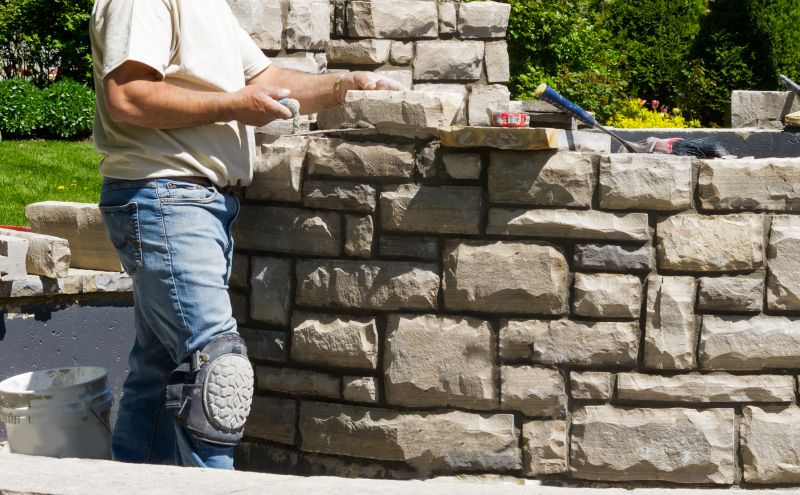

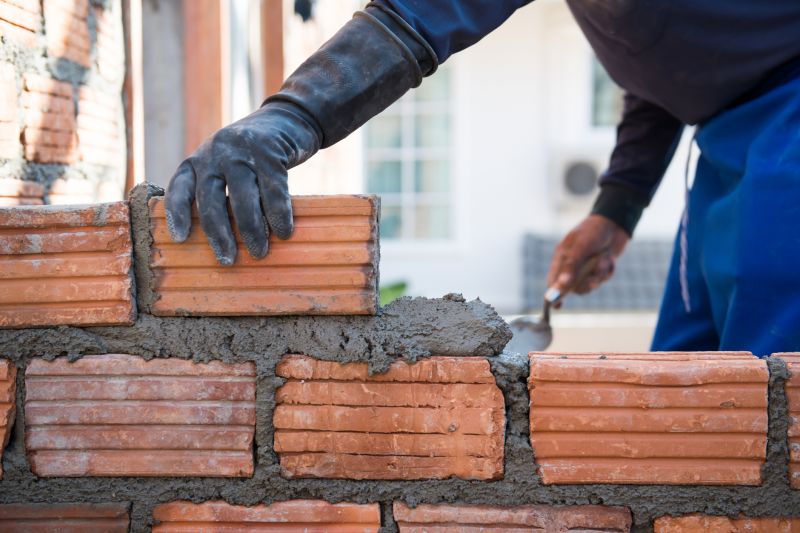
When people search for what to expect during a professional masonry installation, they are often looking for a clear understanding of the process involved in installing structures like brick walls, stone facades, or patios. Homeowners typically want to know how the work will proceed, what steps are involved, and what kind of preparation or planning is necessary. This helps them feel more confident about hiring local contractors and ensures they’re prepared for the project’s flow. Understanding the typical phases-such as site preparation, material delivery, and the actual laying of masonry-can demystify the process and set realistic expectations for the results.
Masonry installations are commonly related to projects that enhance a property’s functionality and aesthetic appeal. These include constructing or repairing retaining walls, building outdoor fireplaces, creating decorative facades, or installing durable pathways. Property owners often seek masonry work when they want to improve curb appeal, add privacy, or create outdoor living spaces. Many projects involve addressing structural problems like foundation stability or drainage issues, which require skilled craftsmanship to ensure longevity. Knowing what problems or plans are associated with masonry helps homeowners communicate their needs clearly to local service providers and understand what the work will entail.
The types of properties that often require professional masonry installation vary widely but generally include residential homes, commercial buildings, and public spaces. Residential properties might feature brick or stone facades, patios, or garden walls, while commercial sites could need sturdy retaining walls or decorative features to improve their appearance and durability. Public spaces such as parks or community centers often incorporate masonry elements like benches, planters, or boundary walls. For homeowners, understanding the property types involved can help clarify how local masonry contractors adapt their services to different environments, whether it’s a small backyard project or a large-scale commercial installation.
During a professional masonry installation, property owners can expect a series of practical steps that ensure the work is completed effectively. This usually begins with site preparation, where the area is cleared and leveled, followed by the delivery and staging of materials. The actual installation involves precise laying of bricks, stones, or blocks, often with mortar or other binding agents. Skilled local contractors will focus on achieving proper alignment, stability, and aesthetic consistency throughout the process. Homeowners should anticipate some degree of disruption in the work area, but experienced service providers aim to minimize inconvenience while delivering a durable, visually appealing result that enhances the property’s value and functionality.
Fireplace and Chimney Projects - These projects require precise masonry skills and planning similar to those needed for masonry installations, ensuring safety and durability.
Retaining Wall Construction - Building retaining walls involves understanding soil support and structural stability, paralleling the techniques used in masonry work.
Stone Pathways and Walkways - Creating durable stone surfaces involves similar material handling and layout planning as masonry installations.
Exterior Facade Cladding - Applying stone or brick facades demands careful surface preparation and material installation, akin to masonry projects.
Garden Wall Building - Constructing decorative or boundary garden walls shares skills in mortar application and structural design with masonry services.
Outdoor Fireplace and BBQ Installations - These features require precise masonry craftsmanship and planning, similar to what is involved in professional masonry installation.
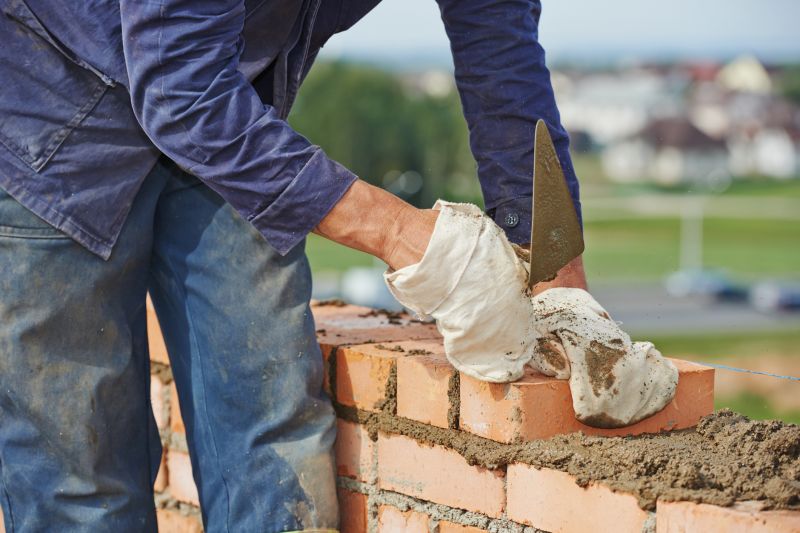
When evaluating masonry installation services, it’s important to consider the experience of local contractors with similar projects. Homeowners should look for service providers who have a proven track record of completing projects comparable in scope and complexity. Asking for examples of past work or references related to masonry projects similar to the one at hand can provide valuable insight into a contractor’s familiarity with the specific techniques and materials involved. This helps ensure that the chosen professional understands the nuances of different masonry styles and can deliver results that meet expectations.
Clear, written expectations are essential when planning a masonry installation. Service providers should be willing to provide detailed project descriptions, outlining the scope of work, materials to be used, and the estimated process. Having this information in writing helps prevent misunderstandings and ensures everyone is aligned on what the project entails. Homeowners should also inquire about the contractor’s approach to addressing potential issues or changes during the installation, fostering transparency and accountability throughout the process.
Effective communication and reputable references are key indicators of a reliable masonry contractor. Service providers who are responsive to questions and provide thorough explanations demonstrate professionalism and a commitment to customer satisfaction. Additionally, seeking references from previous clients or checking online reviews can offer insights into the contractor’s reputation and the quality of their work. Good communication and positive references help build confidence that the selected local pros will handle the project professionally, keeping the homeowner informed and involved every step of the way.
Property owners often search for what to expect during a professional masonry installation when they are planning practical projects around their homes and businesses. Local pros provide Masonry Installation services for everyday jobs and straightforward project options.
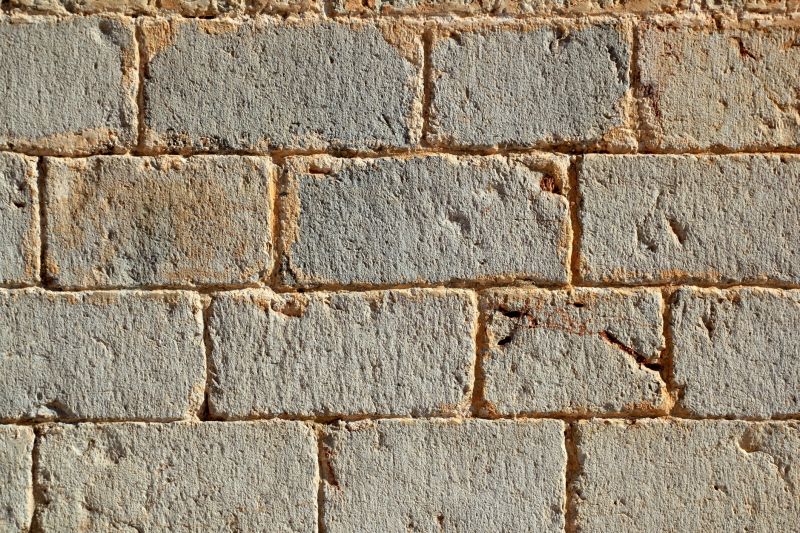
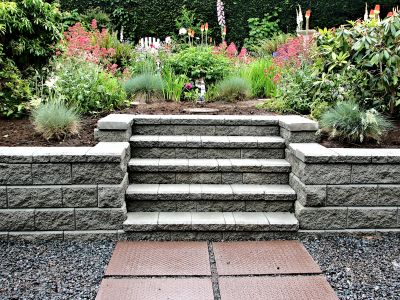
During a professional masonry installation, property owners can typically expect a process that involves careful planning and preparation. Local contractors often start by assessing the project site, discussing design preferences, and ensuring the foundation or existing structures are suitable for the new work. Throughout the installation, it’s common to see the use of various tools and materials, with skilled masons working methodically to ensure precision and durability. Property owners might notice the gradual emergence of features like walls, walkways, or fireplaces, which are built with attention to structural integrity and aesthetic appeal.
Understanding what to expect during a professional masonry installation can help property owners feel more confident in the process. Local service providers usually keep the work area organized and may make adjustments based on site conditions or design requests. The installation process often involves some level of curing time, during which the masonry sets and hardens. Once complete, there may be minor finishing touches or cleanup, leaving behind a finished feature that enhances the property's appearance and value. Connecting with experienced local contractors can provide clarity on each stage, ensuring the project meets expectations from start to finish.
What should I expect during a professional masonry installation? You can anticipate a skilled contractor preparing the site, laying out the design, and carefully installing the masonry materials with attention to detail to ensure a durable and attractive result.
Will the pros handle the foundation and surface preparation? Yes, local contractors typically prepare the foundation and surface to ensure proper support and alignment before starting the masonry work.
How do professionals ensure the masonry work is level and even? Experienced service providers use tools like levels and plumb lines during installation to maintain accuracy and consistency throughout the project.
What kind of finishing or sealing might be included? Many masonry installation services include finishing touches such as cleaning, sealing, or applying protective coatings to enhance appearance and longevity.
What is the process during the actual installation day? During installation, the pros will set up their tools, follow the planned layout, and carefully assemble the masonry components, ensuring quality at each step of the process.
Site preparation - Property owners can work with local contractors to clear and prepare the installation area, ensuring a smooth process and a solid foundation for masonry work.
Material selection - Discussing different types of bricks, stones, or blocks with local pros helps owners choose materials that match their aesthetic and functional needs.
Design planning - Collaborating with local service providers allows property owners to plan layouts and patterns that enhance the property's appearance and usability.
Installation process overview - Understanding what steps are involved during a professional masonry installation helps owners know what to expect at each stage of the project.
If you are thinking about what to expect during a professional masonry installation for a property, this guide is meant to help you understand this topic, the typical project types, and how different options might fit your plans.
When you are ready, you can use the quote form on this page to share a few details about your project. From there, local pros can review the basics and follow up with options that match what you have in mind.